
Joint care for dogs
Joint care for dogs
Does your dog have stiff joints?
“Stiff joints” is a general term for changes in the joint caused by normal or abnormal wear and tear. Because your dog’s joint pain directly impacts their mobility and how well they’re able to get around, it can have a serious effect on your dog’s quality of life.
For dogs who have stiff joints, the cartilage (the tissues that “cushions” the joint between the bones) is worn away faster than it is replaced. For example, when the cartilage in a dog’s hip joint wears away, mobility decreases, while pain and disability progressively develop. Although stiff joints are not curable, it is possible to improve joint health in your dog with nutrition and exercise.
There are many reasons why your dog could be experiencing joint pain associated with stiff joints.

Age
As dogs get older, joint cartilage will progressively wear away. While it is much more common in senior dogs, younger dogs can still suffer from stiff joints, too.

Breed
Certain breeds are more prone to developing stiff joints. “At-risk” dog breeds include Labrador Retrievers, Golden Retrievers, German Shepherds and Rottweilers.

Excess weight
Excess weight puts excess stress on your dog’s joints and cartilage, and increases the risk of stiff joints.

Accidents or trauma
Trauma to cartilage may lead to stiff joints later in life, and adversely affect mobility.

Congenital or hereditary defects
Some breeds may have congenital or hereditary conditions that make them more prone to developing stiff joints later in life.
There are many reasons why your dog could be experiencing joint pain associated with stiff joints.
Age
As dogs get older, joint cartilage will progressively wear away. While it is much more common in senior dogs, younger dogs can still suffer from stiff joints, too.
Breed
Certain breeds are more prone to developing stiff joints. “At-risk” dog breeds include Labrador Retrievers, Golden Retrievers, German Shepherds and Rottweilers.
Excess weight
Excess weight puts excess stress on your dog’s joints and cartilage, and increases the risk of stiff joints.
Accidents or trauma
Trauma to cartilage may lead to stiff joints later in life, and adversely affect mobility.
Congenital or hereditary defects
Some breeds may have congenital or hereditary conditions that make them more prone to developing stiff joints later in life.

What are the symptoms of stiff joints?
If you notice any of the following warning signs of joint pain in your dog, then they may be suffering from stiff joints, and you should consider scheduling a consultation with your veterinarian.

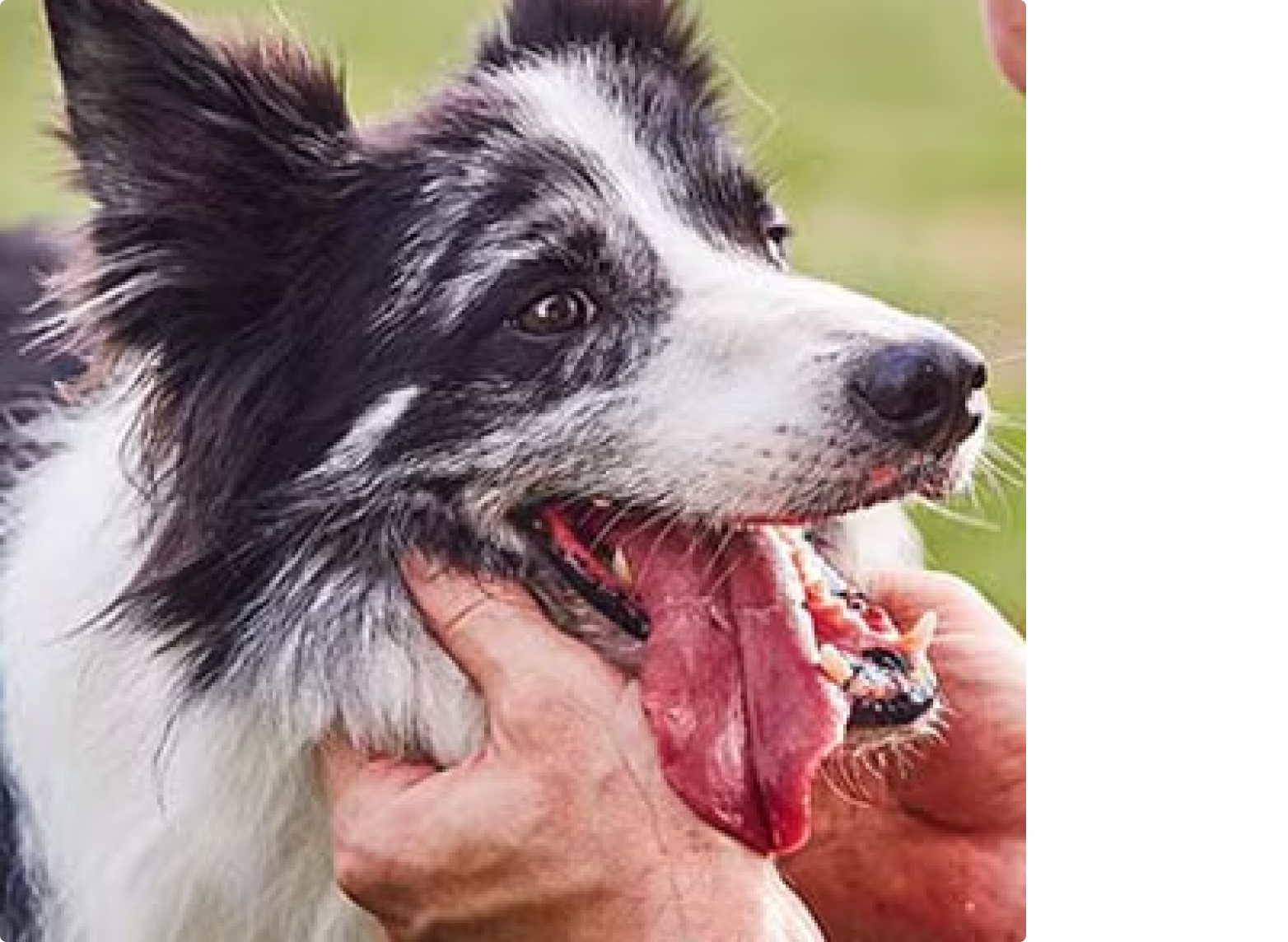
Joints and exercise
Gentle exercise is extremely good for your dog. Not only will it help keep their joints moving freely, but it will help them stay at a healthy weight and keep excess stress off their joints, which are important to their overall joint health.
The key is to control the amount of exercise, so your dog does not overexert their joints. Given an open space, your dog will usually happily run and run until they can’t any more, due to energy or the way their joints feel, and they may pay the price in terms of pain and limping. But by allowing a little bit of running and then putting them back on their leash for a while and taking a gentle stroll, you can control the exercise and let your dog get enough of a workout to burn off energy and keep joints mobile without causing damage.
Always remember, if you’re worried about your dog getting more exercise than is beneficial, your veterinarian will be happy to advise you a sensible canine exercise regime.
Choosing the right dog food for joint health
The food your dog eats can also influence their joint health and mobility. Balanced nutrition is an essential part of an active, healthy lifestyle for dogs. If you’re concerned about your dog’s joint health, ask your veterinarian about Hill’s Prescription Diet j/d.
Related products
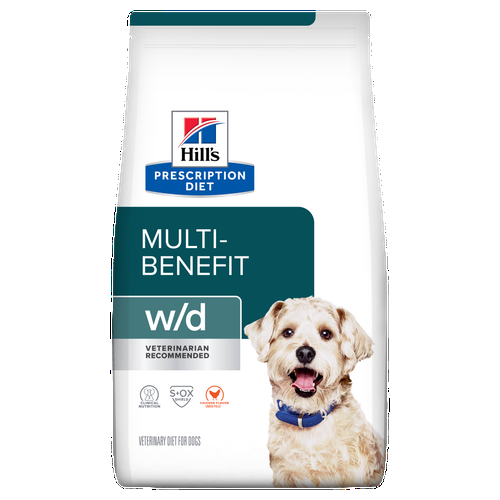
Clinically tested nutrition formulated for multiple benefits: digestive health, weight management, blood sugar management and urinary health
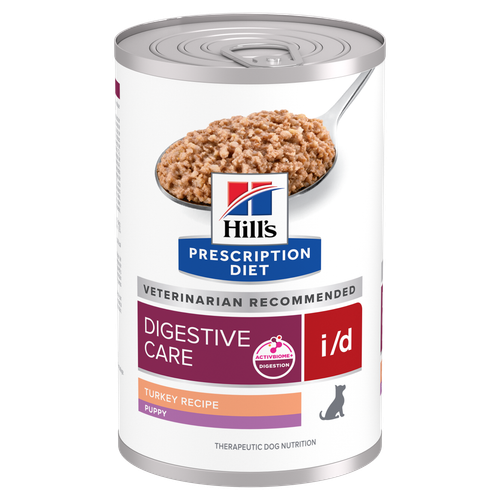
i/d Puppy with Turkey Dog Food
Hill’s Prescription Diet i/d Wet Puppy Food is highly digestible, great-tasting nutrition, formulated to help manage digestive upsets. Made with turkey for a delicious taste. It’s formulated with Hill’s breakthrough ActivBiome+ Digestion, a proprietary blend of prebiotic fibers, clinically shown to rapidly activate the gut microbiome to support digestive health and overall well-being.
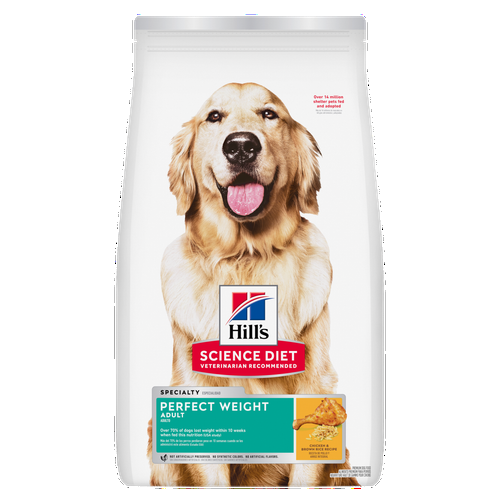
Hill's Science Diet Adult Perfect Weight Chicken & Brown Rice Recipe Dog Food
Over 70% of dogs lost weight within 10 weeks when fed this nutrition (USA Study)
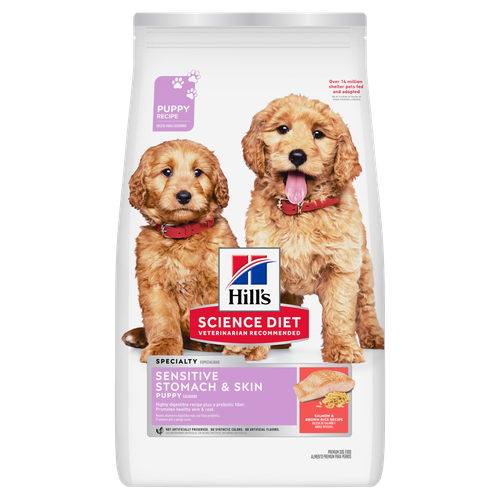
Puppy Sensitive Stomach & Skin Salmon & Brown Rice Recipe
Delicious, highly digestible recipe, gentle on stomachs. Nourishes skin & promotes a lustrous coat
Related articles
Dwarfism in Dogs: Types, Health Concerns & Breeds It Affects
Learn about dwarfism in dogs, including types of this condition, breeds that are prone to developing it & general effects dwarfism has on a dog's health.
Pneumonia in Dogs: Types, Clinical Signs, Treatment & Prevention
Pneumonia in Dogs: Types, Symptoms, & Treatment

Dog Warts: What are They & What Causes Them?
Learn whether dogs can actually get warts and their similarities to other skin growths, as well as whether they can be harmful for your dog.

Can Dogs Actually Get Hiccups?
Can Dogs Get Hiccups?